
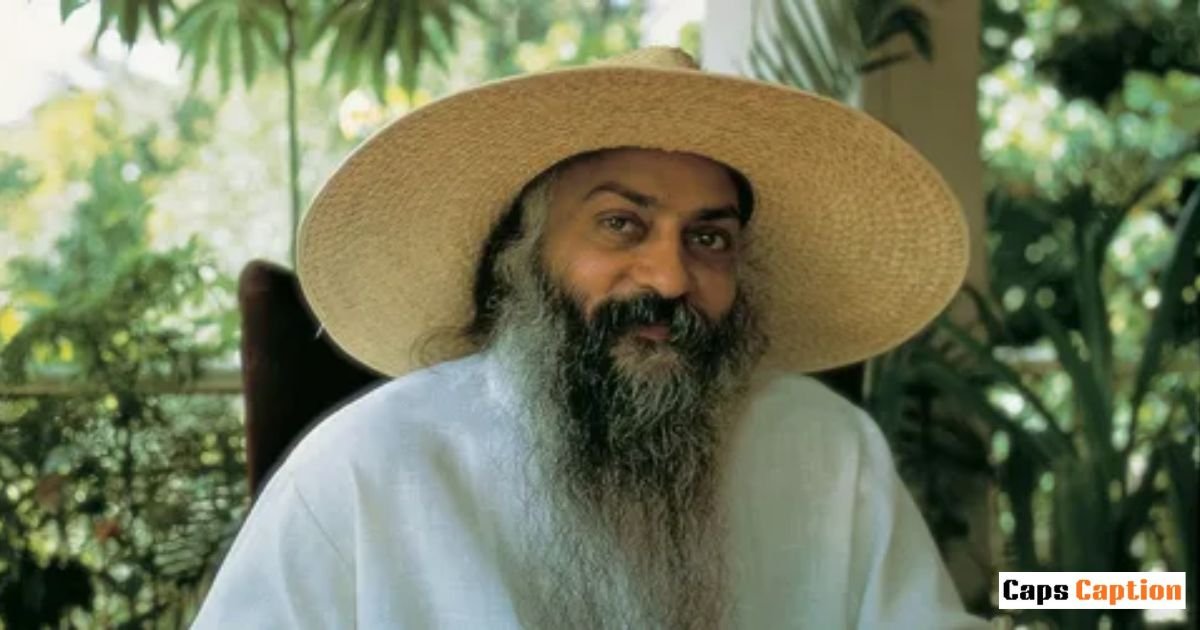
Osho was one of India’s most influential and controversial spiritual figures, known for his powerful ideas about meditation, freedom, and awareness. His unusual lifestyle also created lasting curiosity about Osho net worth and the sources behind his wealth. Born as Chandra Mohan Jain, he later became famous worldwide as Rajneesh and Osho. His journey moved from philosophy and teaching to spiritual leadership, international communities, books, and meditation centers.
Alongside his Osho teachings, his luxurious lifestyle and famous Rolls-Royce collection attracted enormous attention. Yet, calculating his exact fortune remains difficult because reliable public financial records are limited. In this article, we explore his Osho career, wealth, Osho books, assets, controversies, and enduring legacy.
Osho (Rajneesh) Age, Early Life and Date of Birth
Osho age was 58 when he died in 1990. His Osho date of birth was 11 December 1931. His Osho birthplace was Kuchwada, a village in present-day Madhya Pradesh. He was born as Chandra Mohan Jain. His early years strongly shaped his independent thinking and questioning nature.
His Osho biography shows a gradual shift from academic philosophy toward spiritual exploration. He studied philosophy at university and later became a philosophy professor. His intellectual curiosity grew through debates, meditation, and encounters with different religious traditions. This became the foundation of his later work.
Osho Real Name, Birth Date and Birthplace
The Osho real name was Chandra Mohan Jain. He later became known as Acharya Rajneesh, Bhagwan Shree Rajneesh, and finally Osho. His changing names reflected different periods in his public life. His early identity remains an important part of his Rajneesh biography.
Osho Education and Early Career
His Osho education included philosophy studies at the University of Sagar. He later taught philosophy and became a respected public speaker. Some biographical accounts also connect his academic years with institutions including Jabalpur University and Sanskrit College Raipur. His academic background gave structure to his later spiritual discourse.
Osho (Rajneesh) Family and Personal Life
Osho came from a Jain family background. His Osho family included his parents and several siblings. His Osho father was Babulal Jain, while his Osho mother was Saraswati Jain. He spent much of his childhood with his maternal grandparents. That unusual upbringing encouraged independence.
His Osho personal life remained unconventional throughout adulthood. His Osho marital status was unmarried. He rejected many traditional social expectations. His views on love, freedom, and human sexuality often challenged conservative ideas. These views later became central to both his popularity and controversy.
Osho Parents and Siblings
The Osho parents were Babulal Jain and Saraswati Jain. His childhood family environment had a strong cultural influence. Accounts of his early years also mention his Osho brothers and sisters. However, details about every family member aren’t equally documented in reliable sources.
Osho Personal Life and Lifestyle
The Osho lifestyle became famous for its mixture of meditation and luxury. He wore distinctive clothing and enjoyed expensive automobiles. His interest in handmade watches and Rolls-Royce cars attracted considerable media attention. Supporters viewed this as a lesson about detachment rather than simple materialism.
Osho (Rajneesh) Career and Spiritual Journey
The Osho career began in academia before moving into public spiritual teaching. He travelled widely across India during the 1960s. He spoke about meditation, awareness, politics, religion, and social freedom. His talks attracted young people searching for alternatives to conventional spiritual institutions.
His Osho spiritual journey later expanded internationally. He created meditation communities and attracted thousands of Osho followers. His methods blended traditional ideas with modern psychological approaches. His rise was remarkable. So was the controversy that followed him.
Osho as a Philosophy Professor
Osho worked as a philosophy professor before becoming a full-time spiritual teacher. His academic experience strengthened his debating skills. He often questioned accepted ideas about orthodox religion, morality, and social authority. His talks later became the foundation for thousands of recorded Osho discourses.
Osho Meditation Camps and Public Speaking
During the 1960s, Osho organized meditation camps and public gatherings. He introduced experimental meditation techniques designed to help people develop self-awareness. His style differed sharply from traditional silent meditation. He encouraged people to observe their thoughts and emotions directly.
Osho’s Rise as Bhagwan Shree Rajneesh
During the 1970s, he became widely known as Bhagwan Shree Rajneesh. His followers became known as neo-sannyasins. His growing movement attracted Indian and international seekers. Pune soon became the central location for his community and spiritual work.
Osho’s Teachings, Philosophy and Beliefs
The heart of Osho’s work was awareness. His Osho teachings encouraged people to observe themselves without unnecessary guilt. His Osho philosophy drew from many traditions. These included Zen Buddhism, Tantra, Yoga, Taoism, Sufism, and other spiritual schools.
Osho also discussed inner freedom, love, meditation, creativity, and death. He challenged rigid religious beliefs and social conditioning. He didn’t present spirituality as simple obedience. Instead, he emphasized direct experience. His ideas remain influential through books, recordings, meditation centers, and spiritual literature.
Osho Philosophy and Meditation
Osho meditation became one of his most recognized contributions. Osho Dynamic Meditation combines intense physical movement with breathing, emotional release, silence, and stillness. He also discussed Kundalini meditation, Nadabrahma meditation, and Osho Zen meditation. These methods remain practiced worldwide.
Osho Views on Religion, Freedom and Society
Osho frequently questioned organized religion and social conformity. He discussed capitalism and science, sexuality, marriage, contraception, and abortion in provocative ways. He argued that spirituality shouldn’t depend on fear. His focus remained awareness, freedom, and personal experience rather than blind belief.
Osho Books and Discourses
Osho books largely came from recorded talks rather than conventional writing. His Osho discourses cover philosophy, meditation, psychology, relationships, and spirituality. His archive contains a vast body of spoken material. This publishing legacy became an important part of his continuing global influence.
Osho (Rajneesh) Girlfriend, Relationships and Marriage
Searches about Osho girlfriend and Osho relationships remain common. Yet his personal relationships are often mixed with speculation. Osho never married. His Osho marital status was therefore unmarried. He also openly questioned whether traditional marriage was necessary for spiritual growth.
Two names frequently appear in discussions about his personal circle: Ma Anand Sheela and Ma Yoga Vivek. However, their roles shouldn’t automatically be described as romantic relationships. Reliable biographies focus more on their roles within his movement than on unsupported claims about intimacy.
Was Osho Married?
Osho wasn’t married. His views on relationships differed strongly from traditional Indian expectations. He discussed love as something that should allow freedom rather than possession. His ideas about human sexuality attracted both followers and critics. They also contributed heavily to his controversial public image.
Osho Relationships and Female Disciples
Several women held important positions around Osho. Ma Yoga Vivek served as his personal attendant for many years. Ma Anand Sheela became a powerful administrator within the Oregon community. Their documented roles are clearer than many online claims about an Osho girlfriend Sheela relationship.
Osho and Ma Anand Sheela
Ma Anand Sheela became one of the most recognizable figures in the Rajneesh movement. She managed major operations at Rajneeshpuram. Later, she became involved in serious criminal investigations. Her story became central to the wider Rajneesh controversy surrounding the Oregon years.
Osho Rajneesh Movement and OSHO International
The Rajneesh movement grew rapidly during the 1970s. Osho first established a major commune in Pune. Later, his followers developed Rajneeshpuram in Oregon, United States. The movement eventually returned to Pune and developed a lasting international presence.
Today, the Osho International Foundation and Osho International are associated with preserving and promoting his work. The Osho International Meditation Resort in Pune remains a major destination for meditation and personal development. This continuing activity also matters when discussing his commercial legacy.
Osho Pune Ashram and Meditation Resort
The Pune ashram became Osho’s principal international center. Today, the Osho International Meditation Resort operates in Pune Maharashtra. It combines meditation programs with contemporary wellness facilities. The center has helped maintain Osho’s presence among international spiritual seekers.
Rajneeshpuram in Oregon
Rajneeshpuram was a large intentional community established in Wasco County, Oregon. The Oregon commune expanded quickly during the early 1980s. It eventually became involved in intense political and legal disputes. These events remain among the most controversial chapters of the movement.
OSHO International and Osho’s Intellectual Property
Osho International administers rights connected with Osho’s works in many markets. These rights can include books, recordings, images, and related material. This distinction matters. Organizational intellectual property shouldn’t automatically be counted as Osho’s personal wealth.
Osho Controversies, Legal Issues and Later Life
The Osho controversy became especially intense during his years in Oregon. His luxurious image, political conflicts, and the behavior of senior followers generated worldwide headlines. The community later faced criminal investigations and serious allegations. Osho himself also faced major immigration and legal problems in the United States.
His Osho legal issues included immigration proceedings and a criminal case connected with immigration violations. He eventually left the United States. The Oregon chapter ended. He later returned to Pune and continued teaching until his final years.
Osho Luxury Lifestyle and Rolls-Royce Cars
The famous Osho Rolls-Royce collection became a symbol of his unusual lifestyle. He eventually had a large collection of Rolls-Royce cars. Critics viewed the collection as hypocrisy. Osho argued that luxury could expose people’s attachment to material things. The debate still surrounds his image.
Osho Oregon Controversy and Legal Case
The Oregon period involved the infamous bioterror attack, political conflict, and other crimes committed by members of the community. The broader Oregon legal controversy included investigations into conspiracy and immigration matters. It is important to separate crimes committed by followers from claims personally established against Osho.
Osho’s Return to India
After leaving America, Osho returned to India. He settled again in Pune. His public identity gradually changed from Bhagwan Shree Rajneesh to Osho. He continued giving talks and developing meditation methods. His final years focused heavily on meditation, Zen, awareness, and death.
Osho (Rajneesh) Net Worth, Income and Sources of Wealth
The biggest problem with estimating Osho net worth is the lack of a verified public personal balance sheet. Online figures vary widely. Some websites have claimed amounts such as $45 million. However, those claims don’t have enough transparent financial evidence to treat them as confirmed.
Osho’s broader economic legacy is easier to understand. His books, recordings, meditation centers, publishing rights, retreats, and associated organizations have generated commercial value. Yet organizational assets aren’t automatically personal assets. Therefore, any precise figure should be treated as an estimate rather than a proven fact.
Osho Net Worth: How Much Was Osho Worth?
There is no reliable audited figure publicly establishing Osho’s personal fortune at death. Reported estimates should therefore be handled carefully. His visible luxury suggests substantial resources around his movement. Still, Osho net worth shouldn’t be confused with the value of every organization connected with him.
Osho Net Worth in Rupees
Because historical exchange rates differ, dollar-to-rupee conversions can produce different results. The table below shows why online estimates should be viewed cautiously rather than as official figures.
| Reported figure | Approximate Indian value | Reliability |
|---|---|---|
| $10 million | Varies by exchange rate | Unverified |
| $45 million | Varies by exchange rate | Widely repeated but unverified |
| Exact personal fortune | Not publicly established | No reliable audited figure |
The safest conclusion is simple. Osho had access to significant resources. However, a precise personal fortune isn’t publicly verified. His movement’s assets, intellectual property, and revenue streams shouldn’t all be placed into one personal wealth number.
Osho Income Sources
Osho’s economic ecosystem included publishing, recorded talks, meditation programs, retreats, memberships, licensing, and related activities. His Osho books became especially important. His teachings were translated into many languages. That created long-term demand for his intellectual property and recordings.
Osho Books and Publishing Revenue
The commercial value of Osho’s spoken archive is considerable. His talks have continued appearing in books and digital formats. His spiritual literature reaches readers interested in meditation, psychology, philosophy, and personal growth. This long publishing life supports the continuing economic value of his work.
Osho Assets, Ashrams and Luxury Cars
The most visible assets linked with Osho’s movement included property, meditation facilities, publishing operations, and luxury vehicles. However, ownership structures changed over time. It would be inaccurate to treat every luxurious lifestyle asset as Osho’s personal property without documentary evidence.
Who Owns Osho’s Wealth and Intellectual Property?
This question requires a legal distinction. A person’s personal estate is different from assets controlled by a foundation or organization. Osho International Foundation and related entities administer various rights connected with Osho’s work. Therefore, today’s organizational revenue doesn’t prove his personal wealth at death.
Osho (Rajneesh) Death and Legacy
Osho death occurred on 19 January 1990 in Pune. He was 58. The commonly documented Osho death cause was heart failure. Claims surrounding his final years include allegations of poisoning. Those claims remain disputed and shouldn’t be presented as established medical fact.
The story of Osho death in 1990 didn’t end his influence. His books continued selling. Meditation centers continued operating. His recorded talks reached new audiences. His Osho legacy now extends across spirituality, meditation, publishing, wellness, and popular culture.
Osho Death and Final Years
Osho spent his final years at his Pune community. His health had declined. He continued speaking and guiding meditation work. Historical accounts commonly describe heart failure as the cause of death. His final period remains an important part of his biography.
Osho Legacy in India and Around the World
Osho’s influence reaches far beyond India. His Osho teachings worldwide have attracted readers, meditation students, therapists, artists, and spiritual seekers. His approach also influenced parts of the modern Human Potential Movement. His language remains especially popular among younger readers.
Osho’s Continuing Commercial and Intellectual Legacy
Osho’s recordings and books continue generating interest decades later. This makes his intellectual property more significant than a simple historical fortune estimate. His continuing readership supports publishing and educational activities. It also explains why discussions about his wealth remain active.
Lesser Known Facts About Osho (Rajneesh)
One lesser-known part of his story involves his early intellectual development. He was an energetic debater and questioned religious ideas from a young age. His participation in Sarva Dharma Sammelans also exposed him to competing religious viewpoints. These experiences strengthened his independent approach.
Another important detail is the range of traditions he discussed. His talks explored Zen Buddhism, Tantra, Yoga, Sufism, and other systems. His later methods included Mystic Rose meditation and Dynamic Meditation. His approach was rarely conventional. That was precisely its attraction.
Osho Was an All-India Debating Champion
Osho developed a reputation as a strong speaker during his youth. Public debate helped sharpen his ability to challenge established arguments. His later religious discourse retained that confrontational style. He often used paradoxes to make audiences question familiar assumptions.
Osho Changed His Public Name Several Times
His public identity changed repeatedly. He began as Chandra Mohan Jain. He later became Rajneesh, then Bhagwan Shree Rajneesh, and eventually Osho. Each name belongs to a different stage of his public and spiritual development.
Osho’s Work Was Recorded Extensively
Osho’s spoken archive is unusually large. Thousands of hours of talks were recorded. Those recordings later became books and audio programs. His work has also appeared in libraries and collections, including references associated with the National Parliament Library.
Osho Combined Eastern Traditions With Modern Psychology
Osho often connected ancient meditation with modern psychology. He discussed emotions, awareness, sexuality, creativity, and consciousness. His approach appealed to people who wanted spirituality without completely abandoning contemporary life. That combination helped broaden his international audience.
- Read More: Snax Gaming Height
- Read More: Aryanshi Sharma Height in Feet
FAQs
What was Osho net worth?
There is no publicly verified audited figure for Osho’s personal fortune. Online estimates exist, but they should be treated as unverified rather than established fact.
What was Osho’s real name?
Osho’s birth name was Chandra Mohan Jain. He later used the names Rajneesh and Bhagwan Shree Rajneesh before adopting Osho.
When was Osho born?
Osho was born on 11 December 1931 in Kuchwada, Madhya Pradesh, India.
When did Osho die?
Osho died on 19 January 1990 in Pune, India, at the age of 58.
How did Osho make money?
His wider movement generated economic activity through books, recorded talks, meditation programs, publishing, retreats, licensing, and related organizations.
Did Osho own Rolls-Royce cars?
Yes. Osho became famous for his large collection of Rolls-Royce cars. The collection became a defining symbol of his controversial lifestyle.
Who owns Osho’s books and intellectual property?
Rights connected with Osho’s works are administered through organizations associated with the Osho movement. Ownership and licensing arrangements can vary by jurisdiction and type of work.
Where is Osho’s ashram?
The main center associated with Osho is the Osho International Meditation Resort in Pune, Maharashtra.
Why was Osho controversial?
His teachings on religion, sexuality, wealth, relationships, and freedom attracted strong criticism. The Oregon commune also created major political and legal controversies.
Why is Osho still famous today?
His books, recorded talks, meditation methods, online content, and international centers continue introducing new audiences to his work.
How many books did Osho write?
Many books attributed to Osho are transcripts or edited versions of his spoken talks. His publishing catalog is therefore much larger than a conventional author’s written bibliography.
Osho Net Worth at a Glance
| Detail | Information |
|---|---|
| Full name | Chandra Mohan Jain |
| Popular names | Rajneesh, Bhagwan Shree Rajneesh, Osho |
| Osho date of birth | 11 December 1931 |
| Osho birthplace | Kuchwada, Madhya Pradesh |
| Osho age at death | 58 years |
| Profession | Spiritual teacher, philosopher, speaker |
| Marital status | Unmarried |
| Main Indian center | Pune, Maharashtra |
| Major overseas commune | Rajneeshpuram, Oregon |
| Famous possessions | Rolls-Royce cars, luxury items |
| Personal net worth | No reliably verified public figure |
| Major wealth-related sources | Books, recordings, publishing, programs and intellectual property |
| Osho death | 19 January 1990 |
| Commonly reported death cause | Heart failure |
| Major legacy | Meditation, books, discourses and spiritual teachings |
Final Thoughts on Osho Net Worth
The most responsible answer about Osho net worth is that no precise personal figure has been reliably established. Many online numbers are repeated as facts without financial documents. His wealth story is therefore more complicated than a single dollar or rupee amount. His movement controlled substantial resources at different times. Yet those resources cannot automatically be counted as his personal fortune.
What can be established is his extraordinary cultural and commercial reach. His Osho teachings, books, recordings, meditation methods, and international centers remain active decades after his death. From a philosophy professor in India to a globally recognized mystic and spiritual leader, Osho built an unusual legacy. His story combines spirituality, controversy, wealth, creativity, and human curiosity. That complexity is exactly why his life continues attracting attention.

Caps Caption is your go-to source for Instagram captions, quotes, bio ideas, and social media captions. Find the perfect words for every moment.