
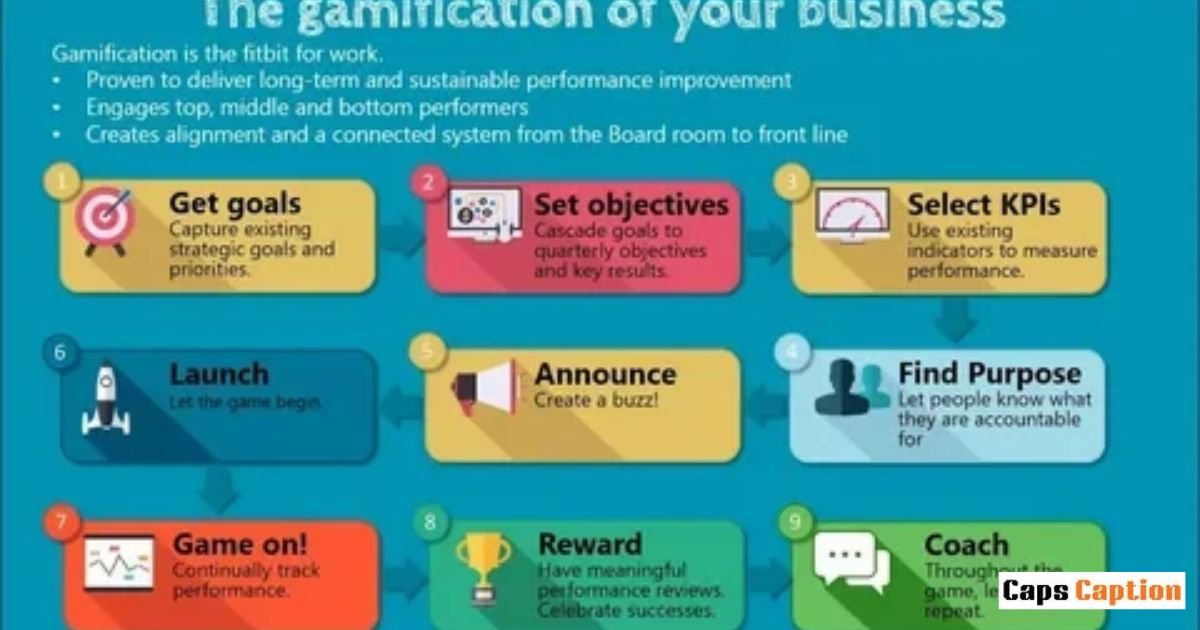
The phrase Xendit Work GamificationSummit brings together fintech, workplace innovation, and interactive business experiences. It may sound like an official event or company initiative, but publicly available sources don’t clearly confirm an event under this exact name. Xendit is known for its payment technology, while workplace gamification uses challenges, progress tracking, and rewards to make professional activities more engaging.
These concepts can connect in modern digital businesses, although their connection shouldn’t be mistaken for a confirmed partnership. In this guide, you’ll discover what the keyword means, explore potential employee engagement benefits, and learn how to verify claims using reliable sources before accepting them as facts.
What Is Xendit Work GamificationSummit?

Xendit Work GamificationSummit is a search phrase that combines Xendit, workplace activities, and a gamification summit. It does not have a clearly established public definition as the official name of a Xendit product or event in the sources reviewed for this article. Its meaning is best understood by examining each part separately.
Xendit is a financial technology company associated with Xendit payment infrastructure and digital payment solutions. Workplace gamification refers to using goals, challenges, progress indicators, and recognition in professional settings. A gamification summit usually refers to an event or discussion focused on these methods. The three concepts are related in a broad business context, but their combination does not prove an official partnership or initiative.
Is Xendit Work GamificationSummit an Official Event?
The most important question is whether Xendit has officially announced an event under this exact name. The public sources referenced in this article do not establish a confirmed event, product, or workplace gamification program called Xendit Work GamificationSummit. Readers should check the Xendit official newsroom and the company’s official website for any relevant announcement.
An official event announcement should identify the organizer and provide clear details. It may include an event page, date, speakers, registration information, or a company statement. Third-party articles can offer context, but repeated claims aren’t proof. Good primary-source verification means tracing information to its original source, while independent source verification means checking whether credible, separate sources support the same claim.
| Information type | What it tells you |
|---|---|
| Official company announcement | Direct evidence of what the company has announced |
| Independent reporting | Additional context and possible corroboration |
| Third-party interpretation | One publisher’s explanation of the topic |
| Unverified claim | A statement that still needs supporting evidence |
The absence of public confirmation doesn’t prove that no private discussion exists. It simply means readers shouldn’t describe the event as confirmed without reliable documentation.
Why Is Xendit Work GamificationSummit Getting Attention?
Search phrases sometimes combine familiar names with popular business concepts. In this case, the keyword links a fintech company with workplace engagement and interactive events. This combination may interest readers researching workplace culture, business technology, or new ways to improve employee engagement. However, without reliable search-volume data, it’s not possible to conclude that the phrase is trending or attracting substantial traffic.
Online articles can also influence how people interpret an unfamiliar phrase. One publisher might discuss employee motivation, while another explores digital events or business payment systems. These topics overlap in some situations, but that overlap doesn’t establish a formal relationship. To understand why people are searching for the phrase, examine the actual search results and distinguish documented information from assumptions.
Understanding Workplace Gamification and How It Works
At its core, gamification in the workplace means using selected game-inspired elements to support real professional activities. It doesn’t mean turning every task into a competition. Instead, organizations use clear goals, visible progress, timely feedback, and recognition to make certain activities easier to follow. Examples include training milestones, onboarding challenges, and team projects with shared goals.
Consider a company that needs employees to complete cybersecurity training. Rather than presenting one long course, it divides the material into short lessons. Employees can see their progress tracking, receive feedback after each lesson, and complete the course in stages. This approach may make learning easier to manage, although its actual impact depends on the course design and employees’ needs.
A successful system connects every activity to a useful outcome. Points alone won’t fix confusing instructions or an unrealistic workload. Good gamification strategies make progress understandable and encourage behaviors that genuinely help employees, customers, or the business.
Key Elements of Workplace Gamification
The best gamification systems use simple features that support a clear purpose. Points and badges can mark completed activities, while milestones and rewards show progress toward a larger goal. Achievement levels can help employees understand their development, provided the system explains what each level represents and avoids unfair comparisons.
Another important feature is the use of helpful feedback systems. Employees need to know what they did well, what needs improvement, and what they should do next. Team-based challenges can also encourage cooperation when a shared result matters more than individual rankings. These tools work best when participation feels fair and the rules remain transparent.
A workplace doesn’t need every feature at once. For example, a small business could start with training milestones and regular feedback before introducing badges or rewards. This measured approach makes gamification implementation easier to evaluate and adjust.
Benefits of Gamification in Modern Workplaces
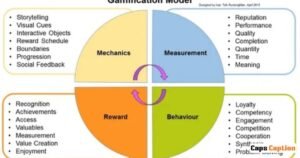
When designed well, workplace gamification can support employee motivation by making goals and progress easier to understand. Employees may find a large task more manageable when they can complete smaller steps. Recognition can also highlight useful contributions that might otherwise go unnoticed. Still, results vary, so organizations should test their approach instead of assuming every gamification method will work.
Gamification may also support employee development, learning retention, and team collaboration. A shared challenge can help colleagues work toward the same result, while clear feedback can show where further training is needed. Businesses should measure meaningful outcomes, such as course completion, task quality, or demonstrated skills. These measures provide better evidence of productivity improvement than counting points alone.
| Potential benefit | Useful measure |
|---|---|
| Employee learning | Knowledge checks and skill retention |
| Team collaboration | Shared project outcomes and peer feedback |
| Training participation | Completion and attendance rates |
| Work quality | Error rates and quality reviews |
| Employee recognition | Feedback on fairness and usefulness |
These measures help organizations decide whether a system improves work or simply adds another layer of administration.
How Businesses Can Use Gamification
Businesses can apply business gamification to training, onboarding, customer education, and internal projects. Employee training programs can use short quizzes, learning milestones, and practical exercises to reinforce new skills. These employee learning activities can also support professional development when employees receive useful feedback and can revisit difficult topics at their own pace.
For customers, customer-facing digital products may use rewards, progress indicators, or guided tasks to explain features. Thoughtful digital product onboarding can help users understand a service without overwhelming them. These methods can support customer engagement, but businesses should ensure the experience remains clear, accessible, and useful rather than adding unnecessary steps.
Employee Training and Development
A US company could create a structured onboarding journey for new employees. Each stage might cover workplace policies, product knowledge, security procedures, and customer service. Employees would see completed steps and receive feedback when they finish an activity. Such a system could support learning, but managers should still provide human guidance for questions and complex tasks.
Customer Engagement and Digital Experiences
A digital service might guide new customers through its main features using interactive tutorials. Users could complete simple tasks and receive confirmation when they understand a feature. These digital experiences should make the service easier to use, not encourage people to spend more time on it without a clear benefit.
Fintech, Payments, and Technology Applications
In the fintech industry, payment tools and gamification platforms can serve different parts of a digital experience. Xendit’s documented services relate to payments, while another application could manage challenges, participation, or rewards. Businesses exploring payment technology should assess the actual features available rather than assume that a payment provider also supplies gamification tools.
Challenges and Best Practices for Workplace Gamification
Gamification can create problems when companies focus on rankings instead of meaningful work. Employees may rush through tasks to earn points or feel discouraged when they consistently rank lower than colleagues. A poorly designed system can also reward visible activity while overlooking quality, mentoring, or behind-the-scenes contributions. Strong gamification design principles prioritize fairness, clear objectives, and genuine learning.
Businesses should begin with a small pilot and explain how the system works. They should also consider employee privacy, accessibility, workload, and the fairness of any rewards. Managers need to review the results and ask employees for feedback before expanding the program. This approach helps identify problems early and keeps gamification connected to real workplace needs.
Avoiding Unhealthy Competition
Healthy competition should never undermine trust or teamwork. A company can use shared goals and group achievements instead of publishing individual rankings. Employees should understand how results are measured and have a way to question errors. Recognition should also account for different roles, since not every contribution can be measured by the same score.
Setting Clear Goals and Fair Rewards
Every activity needs a specific purpose and a fair way to measure progress. For example, a training challenge might reward accurate completion rather than speed alone. Managers should explain the criteria before the activity begins. They should then compare results with the original goal to see whether the system delivers practical value.
Protecting Employee Privacy and Well-Being
Some systems collect activity data, performance scores, or participation records. Employers should explain what they collect, why they need it, and who can access it. They should avoid gathering unnecessary personal information. Clear privacy policies and sensible limits can help protect employees while allowing managers to evaluate the program.
How to Verify Claims About Xendit Work GamificationSummit

When you encounter a claim about Xendit Work GamificationSummit, start by looking for direct evidence. Check the Xendit newsroom and the company’s official website. Look for a relevant announcement, event page, or statement that names the initiative. A page about payment services alone doesn’t establish that a gamification summit exists.
Next, compare the claim with reliable reporting and examine the date and context. Separate confirmed company information from interpretations, predictions, and unverified event claims. This is especially important when an article mentions speakers, partnerships, attendance figures, or business results. Each specific claim needs evidence that directly supports it.
Check Official Sources and Event Announcements
A credible event listing should provide enough detail for readers to identify the organizer and understand the event. Check the organizer’s identity, date, location or online format, and registration details. If a page claims Xendit is involved, look for confirmation from Xendit itself rather than relying solely on a third-party description.
Review Publication Dates and Independent Coverage
Publication dates matter because company announcements and event details can change. Look for recent articles that link to original documents or quote named sources. Several websites repeating identical wording may all rely on one original claim. Genuine corroboration requires evidence that adds independent support.
Separate Confirmed Facts From Speculation
A useful fact-check separates documented details from possible explanations. The table below offers a simple way to organize your findings before publishing an article.
| Claim | Evidence to seek | How to present it |
|---|---|---|
| Xendit provides payment services | Official product documentation | State the documented service |
| A summit has been announced | Official event page or company statement | Confirm only when evidence exists |
| Gamification could support training | Relevant research or a clearly labeled example | Describe as a possible application |
| A program increased productivity | Reliable data and a clear methodology | Report only what the evidence supports |
This method helps readers distinguish a plausible idea from verified news. It also makes your article more useful than a page that simply repeats the keyword.
- Read More: Schoology Alfa
- Read More: Alfa Schoology
FAQs
What Is Xendit Work GamificationSummit?
The phrase combines Xendit with workplace gamification and summit-related concepts. Public information reviewed for this article doesn’t establish it as the official name of a Xendit event, product, or employee program.
Is Xendit Work GamificationSummit a Real Event?
No official event under this exact name has been established by the sources referenced here. Readers should check Xendit’s official channels for a relevant announcement before treating it as a confirmed event.
What Does Workplace Gamification Mean?
Workplace gamification applies game-inspired features to professional tasks. Examples include progress tracking, learning challenges, feedback, milestones, and recognition. The goal is to support meaningful work rather than turn every activity into a competition.
How Can Gamification Improve Employee Engagement?
Gamification can make goals clearer and progress easier to follow. It may also encourage participation through timely feedback and recognition. However, businesses should evaluate results rather than assume these methods automatically improve engagement.
Is Gamification Useful for Fintech Companies?
Yes, fintech companies can explore gamification for employee training, customer education, and interactive product experiences. Payment tools and gamification software serve different functions, so businesses should verify which capabilities each platform actually offers.
How Can Readers Verify News About This Topic?
Start with the Xendit official newsroom and look for a direct company statement or event page. Then check publication dates, supporting links, and independent reporting. Avoid treating repeated third-party claims as official confirmation.
Conclusion
The phrase Xendit Work GamificationSummit connects fintech, workplace culture, and interactive business experiences. Xendit’s documented payment services provide context for the financial technology side, while gamification offers practical ideas for employee learning, recognition, and collaboration. However, these connections don’t establish that Xendit has announced a summit under this exact name.
For businesses, the broader topic offers useful ideas for training, customer education, and workplace engagement. For readers, the priority is accurate information. Verify event announcements through primary sources, assess claims carefully, and distinguish practical examples from confirmed company activities. That approach delivers a clearer understanding of the topic without confusing speculation with fact.

Caps Caption is your go-to source for Instagram captions, quotes, bio ideas, and social media captions. Find the perfect words for every moment.